Petts Wood upholstery cleaning insider tips for stains
If you have ever stared at a tea mark on the arm of a sofa and thought, "Right, that's not budging," you are in the right place. Petts Wood upholstery cleaning insider tips for stains are not just about making fabric look nicer for a day; they help you stop a small spill turning into a permanent eyesore. In a busy home, stains happen fast: coffee during the school run, red wine when friends pop over, muddy paws after a damp afternoon, or that mystery patch that appears somehow overnight. This guide breaks down what actually works, what to avoid, and when a deeper clean makes more sense than a DIY dab-and-pray approach.
We will keep it practical, local-minded, and properly useful. You will get stain-handling steps, fabric-safe techniques, simple prevention advice, and a realistic view of when professional help is the smarter move. Truth be told, a lot of upholstery damage happens because people act quickly but in the wrong way. Let's fix that.
Why Petts Wood upholstery cleaning insider tips for stains matters
Upholstery is one of those parts of the home that quietly takes a beating. Sofas, dining chairs, armchairs, ottomans, and headboards collect body oils, crumbs, dust, pet hair, drink spills, and the occasional shoe print from a very confident toddler. You do not notice the build-up all at once. It creeps in. Then one day the room looks tired, even if the furniture is still structurally fine.
That is why stain advice matters. A stain is rarely just a stain. It can alter the feel of the whole room, leave odours behind, and if handled badly, spread deeper into the cushion fibre or backing. On delicate fabrics, a simple household fix can make a mark larger, set it more firmly, or roughen the surface. On synthetic upholstery, the wrong cleaner may leave a sticky residue that attracts dirt faster. Not ideal, to put it mildly.
For Petts Wood households, the local angle is straightforward: many homes are lived in properly. That means family life, pets, guests, shoes by the door, and the occasional spill at exactly the wrong moment. The best upholstery cleaning tips are the ones that help you protect the fabric, preserve its colour, and know when to stop fiddling and call in a deeper clean. If you are planning broader home maintenance as well, a reliable domestic cleaning service can help keep the rest of the house from undoing your effort on the furniture.
Expert summary: The first 60 seconds after a spill matter more than most people think. Blot gently, avoid heat, check the fabric code, and never assume that stronger chemicals mean better results.
How Petts Wood upholstery cleaning insider tips for stains works
Good upholstery stain treatment follows a simple logic: identify the stain, understand the fabric, use the least aggressive method first, and keep the cleaning controlled. That sounds obvious, but in practice people often jump straight to scrubbing. Scrubbing is the enemy. It drives the spill deeper into the fibres and can distort the weave.
The process usually starts with a dry assessment. Is the mark liquid, greasy, protein-based, or dye-based? Coffee behaves differently from oil. Ink is a different beast again. Then there is the fabric type. Cotton blends, polyester, velvet, wool-rich fabrics, and microfibre each react in slightly different ways. Some can tolerate a damp cleaning approach. Others need very careful moisture control, or they go patchy.
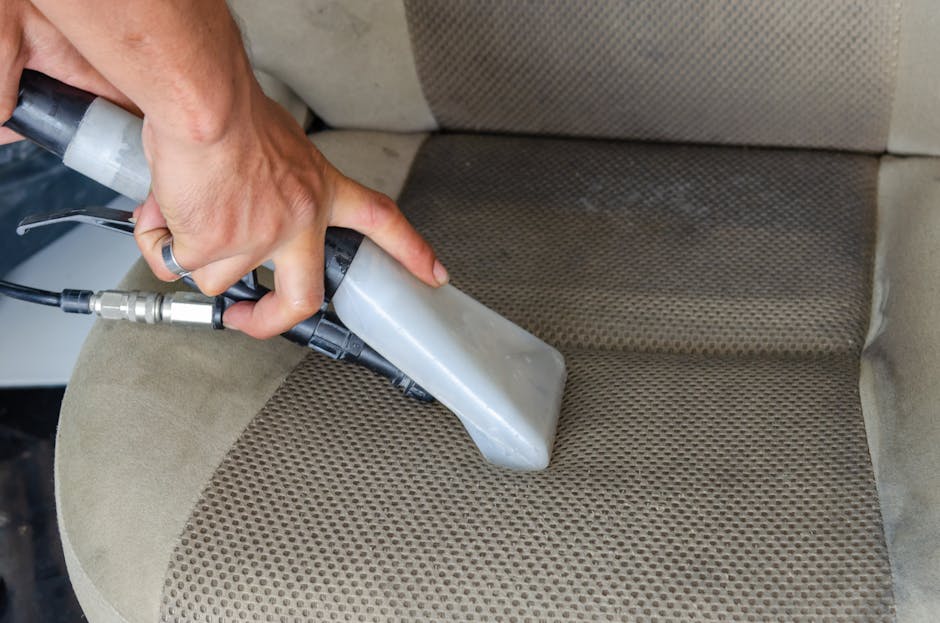
Professional upholstery cleaning, including specialist stain treatment, often uses controlled pre-treatment, agitation that is gentle rather than forceful, and extraction or low-moisture cleaning to remove residue. The point is not just to remove the visible mark. It is to clean the surrounding area evenly so the stain does not leave a ring or a lighter patch. If the whole panel is not treated consistently, you can end up chasing the mark around the cushion like it is playing hide and seek.
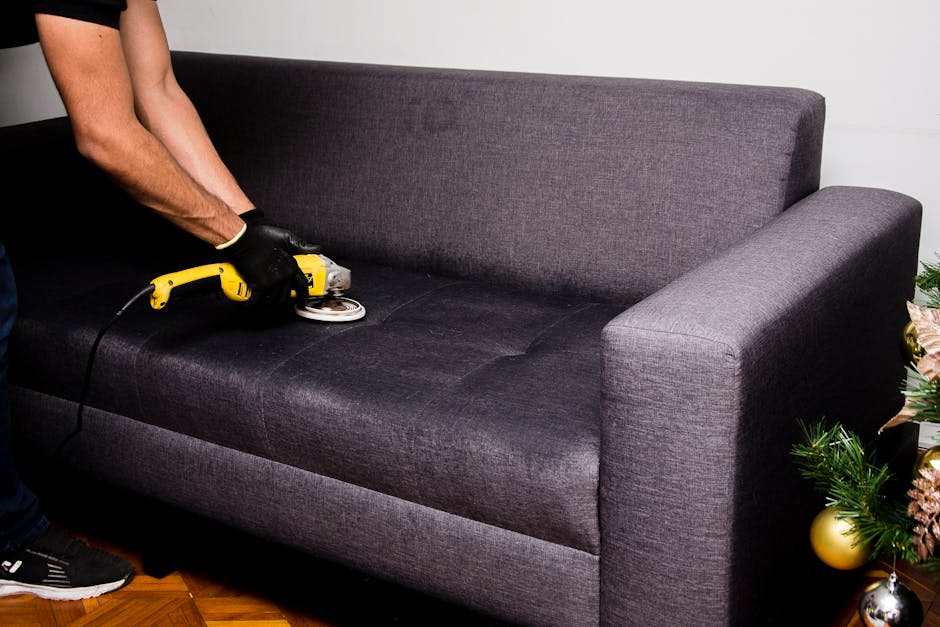
For larger sofas or badly marked fabric, a dedicated upholstery cleaning approach is usually more effective than spot treatment alone. And if the issue is mostly on a settee rather than other furniture, a sofa cleaning service may be the most direct route.
Key benefits and practical advantages
There are a few real benefits to handling upholstery stains properly, and they go beyond appearances.
- Better fabric life: Gentle stain treatment helps fibres keep their structure instead of becoming rough or over-wet.
- Less permanent marking: The right method reduces the risk of setting a stain or creating a water tide line.
- Improved indoor feel: Clean upholstery makes the whole room smell fresher and look more cared for.
- Lower replacement pressure: Spotting a mark early and treating it well can buy you years before you need new furniture.
- More confidence with guests and family life: You stop hovering over the sofa with a blanket every time someone sits down. Which, let's face it, gets old.
There is also a less obvious advantage: proper stain control makes regular cleaning easier. If sticky residue is removed, dust and grime are less likely to cling to the fabric later. That means less overall wear. For homes where upholstery is part of a wider cleaning routine, combining stain care with a deep cleaning plan can be a sensible way to reset the room.
Who this is for and when it makes sense
This advice is useful for pretty much anyone with upholstered furniture, but it is especially relevant if you:
- have children, pets, or frequent visitors;
- own light-coloured or textured upholstery;
- have noticed recurring marks in the same spots;
- are preparing a home for guests, sale, or tenancy handover;
- want to avoid over-wetting delicate fabric;
- have tried spot cleaning before and made the stain look worse.
It also makes sense when the furniture is valuable, sentimental, or just awkward to replace. That old armchair in the corner might not look dramatic until a coffee spill lands on it. Then suddenly it matters a great deal.
If you are already dealing with a full-house refresh, pairing furniture care with house cleaning or even a one-off reset can save time and help the room feel properly finished. For some households, especially after a busy season or before hosting, a broader one-off cleaning visit is the simplest way to get ahead of all the little marks that accumulate.
Step-by-step guidance
Here is a practical way to deal with stains without making them worse.
1. Act quickly, but do not panic
Speed helps. So does calm. Blot up any excess liquid with a clean white cloth or plain paper towel. Press gently. Do not rub. If the spill is greasy, lift as much as possible before adding any moisture. A quick, measured response beats frantic scrubbing every time.
2. Check the fabric type or care label
Before using any cleaner, look for the manufacturer's instructions. Fabric codes can tell you whether the material is water-safe, solvent-safe, or best left to a professional. If you are not sure, test in a hidden area. Under the cushion, back panel, or lower rear corner is usually a sensible place.
3. Identify the stain category
Not all marks behave alike:
- Water-based: tea, coffee, soft drinks, juice, sauces.
- Greasy/oily: food oils, lotion, makeup, some food residue.
- Protein-based: milk, eggs, bodily fluids, pet accidents.
- Dye-based: ink, coloured drinks, some makeup, transfer from clothing.
This matters because a one-size-fits-all approach is a bit of a trap. What works for tea can be useless for oil.
4. Use the least aggressive method first
Start mild. A slightly damp cloth and careful blotting may be enough for fresh spills. If a safe fabric cleaner is appropriate, apply a small amount to the cloth first, not straight onto the upholstery. That gives you more control and reduces the chance of spreading the stain.
5. Work from the outside in
Always treat the stain edges first and move inward. This stops the mark from blooming outward into a larger halo. It is a small thing, but it makes a real difference.
6. Remove residue fully
Residual cleaner left in the fibre can attract dirt, which means the stain seems to come back. After treatment, blot with a clean damp cloth if the fabric allows, then dry carefully. In a well-ventilated room, that drying stage matters more than people think. Open a window if the weather allows. A soft fan can help too.
7. Dry evenly and avoid heat
Do not use a hair dryer on a high setting. Heat can set certain stains and distort fabric. Better to let the area dry naturally or use low airflow. If a cushion cover can be removed safely and laundered according to its care label, follow the label precisely. No improvising there, honestly.
8. Reassess once fully dry
Some stains look better while damp and then reappear later. Once dry, inspect the area in daylight. If a ring or shadow remains, a second treatment may be possible, but repeated DIY attempts can do more harm than good.
Expert tips for better results
Over the years, a few stain-handling habits consistently improve results. None of them are flashy. They just work.
- Keep white cloths in your cleaning kit: Colourful towels can transfer dye. White cotton is safer and easier to inspect.
- Use tiny amounts of liquid: Over-wetting is one of the main reasons upholstery goes patchy.
- Don't chase every mark immediately: If the fabric is delicate, stopping and checking is smarter than forcing a solution.
- Photograph stubborn stains before treating: Useful if you want to track whether the mark is actually improving. Slightly nerdy, yes, but practical.
- Clean the whole panel if needed: Spot-cleaning just the centre of a stain can leave a visible difference in tone.
If the stain is older, faded, or has been repeatedly treated with random household products, a professional may need to work in stages. That is normal. Older marks often sit below the surface as much as on it. A careful technician may use pre-treatment, rinse extraction, and final grooming to restore the pile and reduce distortion.
Another useful tip: if the room itself has a lot of traffic marks, the upholstery may not be the only issue. A cleaner home environment often makes a bigger visual difference than people expect. That is where services like carpet cleaning and rug cleaning can complement upholstery work rather nicely.
Common mistakes to avoid
This is where many DIY attempts go sideways. A few common errors keep popping up.
- Rubbing hard: This pushes the stain deeper and can fuzz the fabric.
- Using bleach or strong solvents casually: Great way to strip colour or damage the weave.
- Applying too much water: Can lead to shrinkage, staining rings, or mildew if the stuffing stays damp.
- Mixing products: Never combine cleaners unless the instructions clearly say it is safe. Even then, be cautious.
- Ignoring the cushion filling: A surface that looks dry may still be holding moisture inside.
- Not testing first: This one is so common it is almost a tradition. Not a good tradition, though.
The other major mistake is waiting too long. Fresh stains are often treatable with simple steps. Once a spill oxidises, dries, or binds to the fibre, the cleaning becomes more technical. That does not mean hopeless. It just means the margin for error shrinks.
Tools, resources and recommendations
You do not need a cupboard full of gadgets, but a sensible kit helps.
- white microfibre cloths or cotton cloths;
- a soft upholstery brush;
- a vacuum with an upholstery attachment;
- clean towels for blotting and drying;
- a careful, fabric-appropriate upholstery cleaner;
- gloves if you are handling stubborn or messy spills;
- a small bowl of clean water for controlled dampening.
A vacuum with an upholstery tool is one of the most underrated pieces of kit. It removes dry debris before liquid treatment, which reduces mudding and helps cleaner contact the actual stain. Before any stain work, vacuuming the cushion seams and around the affected area can make the process much smoother.
For households that prefer to leave the heavy lifting to experienced cleaners, it is worth choosing a company that is clear about methods, insurance, and expectations. You can review practical information through pages like pricing and quotes, insurance and safety, and about us. If you want to ask questions directly, use contact us. For broader operational details, the site also includes terms and conditions, privacy policy, and payment and security.
Law, compliance, standards, or best practice
For domestic upholstery cleaning, the main concerns are usually safety, fabric care, and honest service rather than complicated regulation. Still, best practice matters. In the UK, a responsible cleaning provider should work carefully, communicate limitations clearly, and avoid making exaggerated promises about stain removal. Not every stain can be erased completely, and pretending otherwise is not helpful to anyone.
From a practical standpoint, proper risk management includes testing products first, using controlled moisture, and making sure any cleaning method is suitable for the fabric and filling. If a cleaner is using professional equipment, it should be maintained and used in line with the manufacturer's guidance. That is basic, really, but it is worth saying.
On the customer side, it is wise to keep proof of care labels or fabric instructions if you have them. If furniture is under warranty or part of a tenancy expectation, careful records help. And if you are using a cleaning company in the home, having clear expectations around access, damage reporting, and payment terms is just good sense. Nothing glamorous, just sensible housekeeping.
For clients who value environmental care, it may also be useful to look at whether the company discusses waste handling and greener practices. A page such as recycling and sustainability can be a reassuring sign that the business pays attention to the wider picture, not just the stain in front of it.
Options, methods, or comparison table
Different stain situations call for different methods. Here is a straightforward comparison.
| Method | Best for | Pros | Watch-outs |
|---|---|---|---|
| Blotting with a dry cloth | Fresh spills | Quick, safe, low risk | Won't solve set stains on its own |
| Controlled spot cleaning | Small, fabric-safe marks | Targeted and efficient | Can leave rings if over-wet |
| Whole-panel cleaning | Visible patches or uneven discolouration | More even finish | Takes longer and may need drying time |
| Professional upholstery cleaning | Old stains, delicate fabrics, large items | Better equipment, better judgement, lower risk of damage | May not remove every stain fully |
If you are weighing whether to DIY or book a professional, the decision often comes down to fabric sensitivity, stain age, and how visible the item is. A spare chair in the study? You might try a cautious spot test. A cream sofa in the main living room? You will probably want a more considered approach.
Case study or real-world example
A typical situation goes like this. A family in Petts Wood notices a tea spill on a light-coloured armchair after breakfast. The mark is about the size of a coaster and, at first, it looks manageable. One person reaches for kitchen spray, another suggests a damp sponge, and someone else says "just scrub it." Classic household committee meeting.
Instead, they blot the spill immediately with a white cloth, check the care tag, and test a tiny area with a suitable cleaner. The initial stain softens, but a faint outline remains. Rather than keep attacking it, they stop, let it dry, and assess it in daylight later. The next step is a full-panel treatment to even out the appearance, because the spot itself is less visible than the tone difference around it.
That slightly slower approach often gives the best result. The lesson is not that DIY never works. It absolutely can. The lesson is that restraint usually beats enthusiasm. Especially with upholstery. A little patience saves a lot of regret.
Practical checklist
Use this before you treat any upholstery stain:
- Identify the stain as best you can.
- Check the fabric care label or test in a hidden area.
- Vacuum loose dirt from the affected zone.
- Blot, do not rub.
- Use the mildest suitable cleaning method first.
- Apply cleaner to the cloth, not straight onto the fabric.
- Work from the outside in.
- Avoid soaking the cushion.
- Remove residue carefully.
- Let the area dry fully before judging the result.
- Stop if colour changes, texture damage, or spreading occurs.
- Book professional help if the stain is old, large, or on a delicate fabric.
If the furniture is part of a larger tidy-up, it may also be worth lining up window cleaning or hard floor cleaning at the same time. The room feels more complete that way, not half-done.
Conclusion
Petts Wood upholstery cleaning insider tips for stains really come down to this: act quickly, stay gentle, respect the fabric, and don't assume brute force will save the day. Fresh stains can often be reduced or removed with careful home treatment, but older marks and delicate materials need more judgement. A good result is not just about lifting the visible spill. It is about keeping the upholstery looking even, feeling clean, and lasting longer.
If you take one thing from this guide, let it be the value of restraint. A measured first response usually preserves more than it removes, and that is often exactly what you want. For more stubborn marks or furniture that needs a deeper refresh, a professional clean can be the difference between "still a bit tired" and "that looks properly sorted."
Get a free quote today and see how much you can save.
Frequently Asked Questions
What is the best first step for a fresh upholstery stain?
Blot it gently with a clean white cloth or paper towel straight away. Do not rub. The goal is to lift the liquid before it sinks deeper into the fabric or padding.
Can I use washing-up liquid on upholstery stains?
Sometimes, but only in a very diluted form and only if the fabric is suitable for light moisture. Test first in a hidden area. A little goes a long way, and more is not better here.
Why does my stain come back after drying?
That usually means residue was left behind or moisture pulled dissolved dirt back to the surface. It can also happen if the stain was deeper than it looked at first.
How do I know if my sofa fabric is safe to clean at home?
Check the care label. If the fabric code is unclear, the material is delicate, or the item is valuable, it is safer to test carefully or use professional help.
Is steam cleaning good for all upholstery stains?
No. Steam can be too aggressive for some fabrics and may set certain stains or distort the material. The right method depends on the fabric and the type of mark.
What stain is hardest to remove from upholstery?
Ink, dye transfer, and old greasy stains are often the toughest. Pet accidents can also be tricky because they may affect both the surface and the inner filling.
Should I clean the whole cushion or just the stain?
If the stain is small and fresh, spot cleaning may be enough. But if the mark has left a halo or the fabric looks uneven, treating the whole panel can give a more consistent finish.
How long should upholstery take to dry after cleaning?
It depends on the fabric, method, and room ventilation. Light spot treatment may dry fairly quickly, while deeper cleaning can take longer. Good airflow helps, but avoid high heat.
When is it better to call a professional cleaner?
If the stain is old, widespread, on a delicate fabric, or already damaged by DIY attempts, professional cleaning is usually the safer option. That is especially true for sofas used every day.
Can professional upholstery cleaning remove every stain?
Not always. Some stains permanently alter the fibre or dye. A good cleaner will be honest about what is realistic and aim for the best safe result rather than make unrealistic promises.
Are home stain removers safe for pets and children?
Not all of them. Always follow the product instructions carefully, ventilate the room, and keep treated furniture out of use until it is fully dry and residue-free.
What should I do if a stain is getting bigger while I clean it?
Stop immediately. Too much moisture or rubbing may be spreading the mark. Let the area dry, reassess, and consider professional advice before trying anything else.